
Industrial material storage is a vital aspect of any manufacturing, distribution, or logistics operation. It involves the safe and efficient storage of raw materials, intermediate products, finished goods, and waste materials. The quality and performance of industrial material storage can have a significant impact on the productivity, profitability, and sustainability of any business.
One of the most important decisions that industrial managers have to make is selecting the right storage containers for their materials. Storage containers come in various shapes, sizes, materials, and designs, each with its own advantages and disadvantages. However, among the many options available, plastic containers stand out as the superior choice for industrial material storage. Plastic containers offer a range of benefits that make them ideal for storing and handling various types of materials in different industrial settings.
In this blog, we will explore the reasons why plastic containers are the best option for industrial material storage. We will discuss the advantages of plastic containers in terms of durability, lightweight and maneuverability, versatility, cost-effectiveness, and environmental impact. We will also present some case studies of industries that have successfully adopted plastic containers and achieved improved efficiency and cost savings. Furthermore, we will address some common misconceptions about plastic containers and provide evidence to support their superiority over alternative materials. Finally, we will share some best practices for using plastic containers and highlight some future trends in plastic container technology.
Plastic container boxes have several advantages over other types of storage containers, such as metal, wood, or cardboard. These advantages make plastic containers more suitable for industrial material storage in terms of performance, quality, and safety. Here are some of the main advantages of plastic containers:
Versatility: Plastic containers are very versatile and can accommodate various types of materials, such as liquids, solids, powders, granules, or gases. Plastic containers can be designed and customized to fit the specific storage needs of different industries, such as food, pharmaceutical, chemical, or automotive. Plastic containers can have different features, such as lids, handles, spouts, valves, or vents, to facilitate the filling, dispensing, and sealing of the stored materials. Plastic containers can also have different colors, shapes, sizes, and labels, to enhance the identification, classification, and organization of the stored materials.
Plastic containers are not only more durable, lightweight, and versatile than other types of storage containers, but also more cost-effective. Plastic containers offer several benefits that can lower the overall cost of industrial material storage, such as:
Plastic containers are not only more durable, lightweight, versatile, and cost-effective than other types of storage containers, but also more environmentally friendly. Plastic containers offer several benefits that can reduce the environmental impact of industrial material storage, such as:
Sustainable Practices: Plastic containers can support sustainable practices in industrial material storage, as they can promote the efficient and responsible use of materials and resources. Plastic containers can optimize the storage capacity and utilization of space, as they can be stacked and nested easily. Plastic containers can also prevent the waste and loss of stored materials, as they can protect them from damage and contamination. Plastic containers can also encourage the recycling and reuse of materials and containers, as they can be easily collected and processed.
Plastic containers have been successfully adopted by various industries and businesses, as they have proven to be the superior choice for industrial material storage. Here are some case studies of industries that have benefited from using plastic containers:
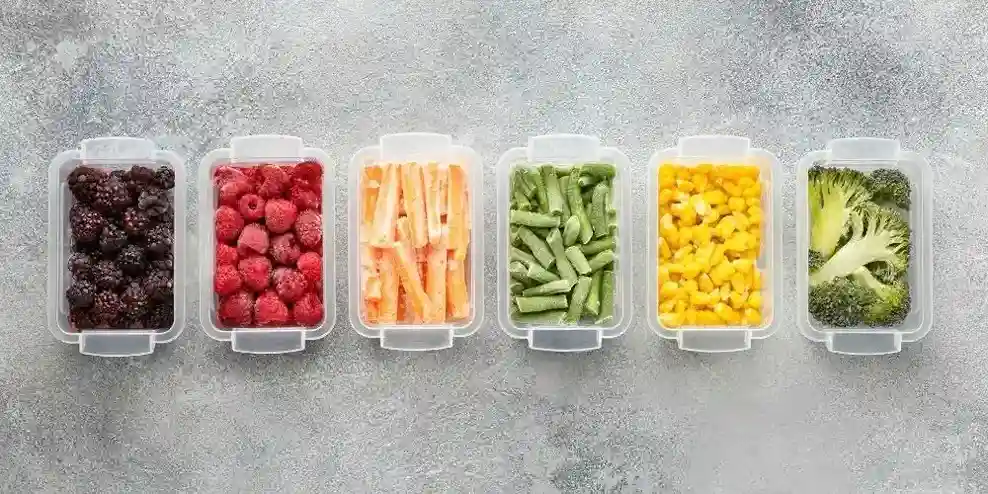
Food Industry: The food industry relies on plastic containers to store and transport various types of food products, such as fruits, vegetables, meat, dairy, grains, or beverages. Plastic containers can preserve the freshness, quality, and safety of food products, as they can prevent spoilage, contamination, or tampering. Plastic containers can also enhance the appearance, convenience, and appeal of food products, as they can display the color, shape, and texture of the food, as well as provide easy opening, closing, and resealing features.
One example of a food business that has switched to plastic kitchen containers is Fresh Express, a leading producer of packaged salads and greens. Fresh Express has replaced its cardboard boxes with reusable plastic containers, which has improved the efficiency and sustainability of its operations. According to the company, the plastic containers have reduced the labor, material, and transportation costs by 30%, 50%, and 20%, respectively. The plastic containers have also reduced the water consumption by 95%, the energy consumption by 64%, and the greenhouse gas emissions by 37%. The plastic containers have also increased the shelf life of the salads by 11%, and the customer satisfaction by 12%.
Pharmaceutical Industry: The pharmaceutical industry depends on plastic containers to store and deliver various types of drugs, such as pills, capsules, liquids, powders, or injections. Plastic containers can ensure the potency, purity, and efficacy of drugs, as they can resist moisture, oxygen, light, and bacteria. Plastic containers can also provide the security, accuracy, and compliance of drugs, as they can prevent leakage, breakage, or counterfeiting, as well as provide dosage, expiration, and warning information.
One example of a pharmaceutical business that has adopted plastic containers is Pfizer, a global leader in biopharmaceutical innovation. Pfizer has introduced a new plastic container for its blockbuster drug Lipitor, which is used to treat high cholesterol and prevent cardiovascular diseases. The new plastic container is made from polyethylene terephthalate (PET), which is more durable, lightweight, and recyclable than the previous glass container. According to the company, the plastic container has reduced the packaging weight by 20%, the packaging volume by 30%, and the packaging cost by 10%. The plastic container has also improved the patient convenience and adherence, as it has a flip-top cap, a desiccant sleeve, and a clear label.
Chemical Industry: The chemical industry utilizes plastic containers to store and transport various types of chemicals, such as acids, bases, solvents, or gases. Plastic containers can protect the stability, quality, and safety of chemicals, as they can withstand high temperatures, pressures, and corrosions. Plastic containers can also prevent the risk of fire, explosion, or pollution, as they can contain the chemical reactions, spills, or vapors.
One example of a chemical business that has embraced plastic containers is BASF, the world’s largest chemical producer. BASF has developed a new plastic container for its specialty chemicals, such as catalysts, pigments, or additives. The new plastic container is made from high-density polyethylene (HDPE), which is more robust, flexible, and recyclable than the conventional steel drums. According to the company, the plastic container has reduced the packaging weight by 75%, the packaging space by 50%, and the packaging cost by 20%. The plastic container has also enhanced the performance and quality of the chemicals, as it has a better sealing, venting, and dispensing system.
Despite the many advantages of plastic containers, some people may still have some doubts or reservations about using them for industrial material storage. Some of the common misconceptions about plastic containers are:
Plastic Containers are Not Suitable for Industrial Settings: Some people may think that plastic containers are not suitable for industrial settings, as they are more suited for domestic or commercial use, such as food packaging or household storage. However, this is also not true, as plastic containers can be very versatile and adaptable, as we have discussed in the previous section. Plastic containers can accommodate various types of materials, such as liquids, solids, powders, granules, or gases. Plastic containers can also be designed and customized to fit the specific storage needs of different industries, such as food, pharmaceutical, chemical, or automotive. Plastic containers can also have different features, such as lids, handles, spouts, valves, or vents, to facilitate the filling, dispensing, and sealing of the stored materials.
Plastic containers can offer many benefits for industrial material storage, but they also require some care and attention to ensure their optimal performance and longevity. Here are some best practices for using plastic containers:
Recommendations for Choosing the Right Type of Plastic for Specific Materials: Plastic containers come in various types of plastic, such as polyethylene (PE), polypropylene (PP), polyvinyl chloride (PVC), or polystyrene (PS). Each type of plastic has its own properties and characteristics, such as density, rigidity, flexibility, transparency, or resistance. Therefore, it is important to choose the right type of plastic for the specific material that is being stored, to ensure the compatibility, safety, and quality of the storage. For example, PE is suitable for storing liquids, as it is flexible, lightweight, and resistant to moisture and chemicals. PP is suitable for storing solids, as it is rigid, strong, and resistant to heat and impact. PVC is suitable for storing gases, as it is transparent, airtight, and resistant to pressure and corrosion. PS is suitable for storing powders, as it is clear, smooth, and resistant to static and abrasion.
Plastic containers are constantly evolving and improving, as new innovations and developments emerge in the field of plastic container technology. Plastic containers are becoming more advanced, smart, and eco-friendly, as they incorporate new features and functions that can enhance the performance and sustainability of industrial material storage. Here are some of the future trends in plastic container technology:
Anticipated Advancements in Sustainability and Eco-Friendly Practices: Plastic storage containers are becoming more sustainable and eco-friendly as they adopt new practices and standards that can reduce the environmental impact and enhance the social responsibility of industrial material storage. For example, plastic containers are using circular economy principles, which can promote the reuse, recycling, or recovery of materials and containers, as well as reduce the waste and emissions. Plastic containers are also using green chemistry principles, which can minimize the use of hazardous or toxic substances and processes, as well as maximize the efficiency and safety. Plastic containers are also using social and ethical principles, which can ensure the fair and equitable treatment of workers, customers, and communities, as well as respect the human rights and dignity.
Plastic containers are the superior choice for industrial material storage, as they offer many benefits that can improve the efficiency, quality, and safety of industrial operations. Plastic containers are more durable, lightweight, versatile, cost-effective, and environmentally friendly than other types of storage containers, such as metal, wood, or cardboard. Plastic containers can also adapt to the specific storage needs of different industries, such as food, pharmaceutical, chemical, or automotive. Plastic containers can also leverage the latest innovations and developments in plastic container technology, which can enhance their performance and sustainability.
We hope that this blog has convinced you of the superiority of plastic containers for industrial material storage, and encouraged you to consider plastic as your preferred storage solution. Plastic containers can offer you a sustainable and cost-effective way to store and handle your materials, as well as a competitive edge in the market. Plastic containers can also help you achieve your environmental and social goals, as well as contribute to the global efforts to combat climate change and plastic pollution.
If you are interested in learning more about plastic containers, or if you want to order some plastic containers for your industrial material storage, please contact us today. We are a leading supplier of high-quality plastic containers, and we can provide you with the best products and services at the best prices. We look forward to hearing from you soon. Thank you for reading.
.webp)


