
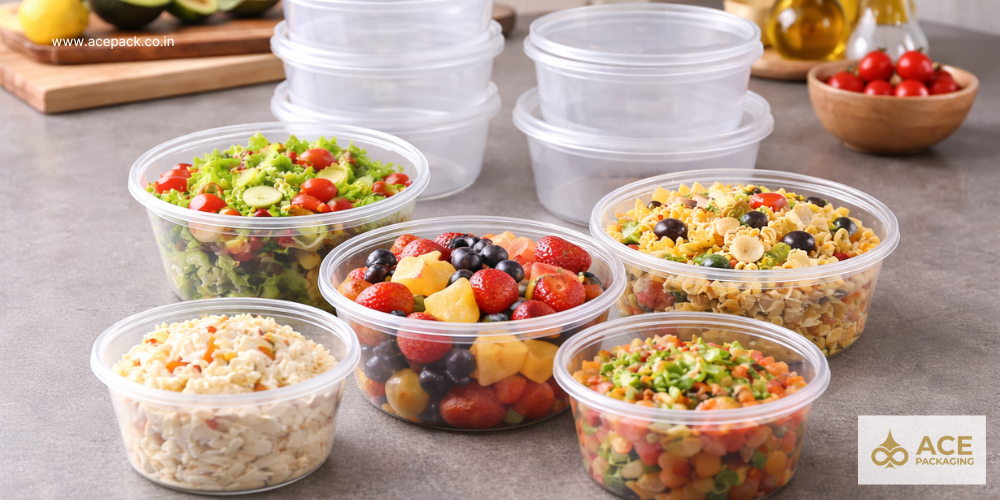
As the fast-food industry continues to evolve, so does the packaging that supports it. Among the most essential components of modern food service are deli containers - the versatile, reliable, and often overlooked heroes of takeout and delivery.
From sandwiches and salads to sauces and desserts, deli containers play a vital role in maintaining freshness, presentation, and convenience. However, as consumer expectations change and sustainability becomes a global priority, these containers are undergoing a transformation that’s shaping the future of the fast-food sector.
Fast-food operations depend on packaging that is practical, cost-effective, and capable of preserving food quality. Deli containers meet all these demands by offering:
As food delivery platforms grow and grab-and-go dining becomes the norm, the role of deli containers has expanded far beyond simple storage — they now serve as a key element of the overall customer experience.
The biggest transformation in deli container manufacturing is the shift toward eco-friendly materials. Traditional plastic containers are being replaced or complemented by biodegradable, compostable, or recyclable alternatives made from materials like:
Brands are adopting these materials to reduce environmental impact without compromising quality or performance.
Future deli containers are focusing on reducing material use while maintaining durability. Advanced moulding techniques are enabling thinner walls that don’t compromise on strength, helping fast-food chains save on costs and transportation weight.
With the rise in food delivery apps, packaging must endure long travel times and varying temperatures. Modern deli containers are being engineered to resist leaks, retain heat, and prevent condensation - ensuring food arrives as fresh and appetizing as when it left the kitchen.
Many fast-food brands are experimenting with reusable deli containers as part of circular economy initiatives. Customers can return containers for cleaning and reuse, drastically reducing single-use waste and aligning with global sustainability goals.
This model not only helps the environment but also enhances brand loyalty by appealing to eco-conscious consumers.
The next phase in deli container innovation includes smart packaging technologies - such as QR codes or freshness indicators - that inform customers about storage, ingredients, and recycling instructions.
These digital enhancements improve transparency, build trust, and add value to the dining experience.
Despite rapid advancements, the transition to next-generation deli containers presents challenges:
However, as innovation continues and production scales up, these challenges are likely to diminish, making sustainable deli containers the new industry norm.
The future of deli containers lies in achieving the perfect balance between functionality, sustainability, and design appeal. Fast-food brands are realizing that packaging isn’t just about containment - it’s a form of communication, reflecting values of responsibility, hygiene, and innovation.
In the coming years, we can expect to see deli containers that are smarter, greener, and more efficient, enabling fast-food chains to deliver not only great taste but also a cleaner planet.
The evolution of deli containers marks a significant shift in the fast-food industry. From recyclable materials to smart technologies, these packaging solutions are setting new standards for convenience, safety, and sustainability.
As brands continue to innovate and adopt eco-friendly practices, deli containers will play a central role in defining the future of how we eat - responsibly, efficiently, and on the go.
.webp)


