
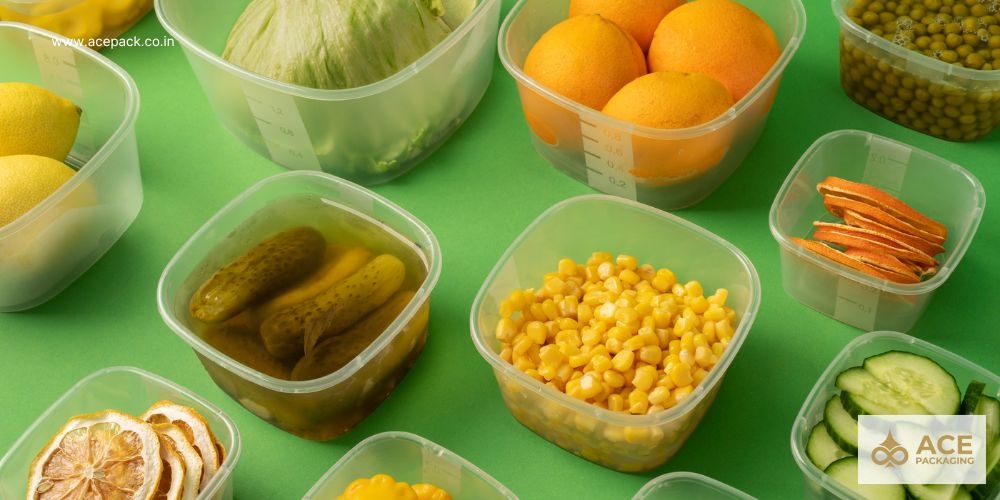
In today’s world, where sustainability is no longer optional, reusable plastic containers have emerged as a practical and eco-friendly solution for packaging and storage. From households to restaurants and manufacturing industries, these containers are helping reduce the global waste footprint while maintaining efficiency and convenience.
Let’s explore how reusable plastic containers are driving positive environmental change and why they’re becoming an essential part of modern packaging strategies.
One of the biggest environmental benefits of reusable plastic containers is their ability to significantly reduce single-use plastic consumption. Traditional disposable containers, often used once and discarded, contribute to massive landfill waste and ocean pollution.
By opting for reusable options, businesses and consumers can cut down on thousands of single-use items each year. Over time, this simple switch plays a major role in reducing overall plastic waste and conserving resources.
Reusable containers align perfectly with the concept of a circular economy - a system designed to minimize waste and maximize material reuse. Instead of following the traditional “take, make, dispose” model, reusable plastic containers can be washed, sterilized, and used multiple times before being recycled responsibly at the end of their life cycle.
This continuous reuse reduces demand for new raw materials and helps keep valuable plastics within the economy rather than polluting the environment.
Manufacturing new plastic containers from raw materials consumes significant energy and emits greenhouse gases. In contrast, reusable plastic containers are designed for longevity, which means fewer replacements and less energy spent on production over time.
When used repeatedly, these containers can lower the overall carbon footprint associated with packaging, making them a smarter choice for environmentally conscious consumers and businesses alike.
Producing virgin plastics requires petroleum, natural gas, and large amounts of water. By extending the life of each container through reuse, we conserve these valuable natural resources.
For instance, a single reusable plastic container can replace hundreds of disposable alternatives throughout its lifespan — drastically cutting down on resource extraction and energy use.
Many industries, especially in food service, logistics, and retail, are adopting reusable plastic containers as part of their sustainability commitments. Using standardized, durable containers for transport and storage reduces packaging waste, streamlines operations, and supports brand reputation.
Fast-food outlets, grocery chains, and delivery services are now embracing container return programs, encouraging customers to bring back reusable packaging for cleaning and reuse - a step toward greener business models.
Unlike thin disposable plastics that tear easily, reusable plastic containers are built to withstand frequent handling, washing, and even temperature variations. Their durability not only ensures safety and functionality but also translates to long-term cost savings and reduced waste generation.
In other words, they’re an investment in both economic and environmental sustainability.
When consumers adopt reusable plastic containers for everyday use - such as meal prep, grocery storage, or takeout - it promotes mindful consumption. This shift in habits encourages communities to value longevity over convenience, fostering a culture of sustainability that can drive broader environmental change.
The shift toward reusable plastic containers represents more than just a packaging trend - it’s a movement toward a cleaner, more responsible future. These containers reduce waste, conserve resources, and lower carbon emissions, all while offering practicality and cost-efficiency.
As individuals and businesses continue to seek sustainable alternatives, reusable plastic containers stand out as a simple yet impactful solution for protecting the planet without compromising on convenience or quality.
- Reusable plastic containers are durable packaging and storage solutions designed for repeated use instead of single disposal.
- They reduce single-use plastic waste, conserve resources, and lower carbon emissions over time.
- They replace hundreds of disposable containers by being reused multiple times.
- Yes, food-grade reusable plastic containers are safe when used and cleaned properly.
- Yes, fewer replacements mean less manufacturing energy and reduced emissions.
- They are reused, cleaned, and eventually recycled, keeping materials in circulation.
- Yes, their long lifespan reduces long-term packaging and replacement costs.
- Food service, retail, logistics, manufacturing, and healthcare commonly use them.
- With proper care, they can last for years.
- Most can be recycled at the end of their life cycle.
.webp)


