
Small packaging decisions can have a noticeable impact on a food business. A sauce cup that does not fit its lid properly, inconsistent container quality or an unsuitable serving capacity can interrupt packing operations and affect the customer experience. When these issues are repeated across hundreds or thousands of orders, choosing the right packaging supplier becomes an important business decision.
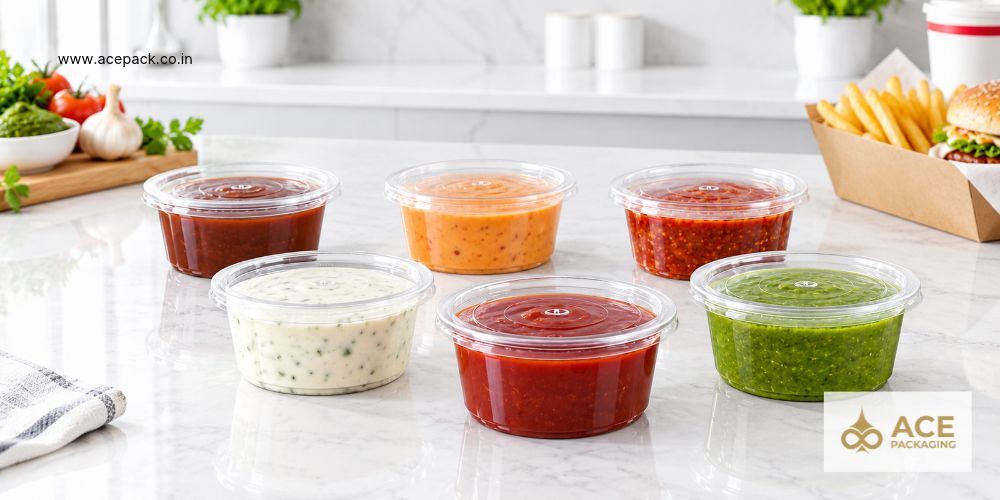
For restaurants, QSR chains, caterers, food manufacturers and takeaway brands, plastic portion cups provide a convenient way to pack controlled quantities of sauces, dips, dressings and other food items. However, selecting the right product involves more than comparing prices. Buyers should also consider material quality, capacity, lid compatibility, bulk availability and the manufacturer's ability to support regular requirements.
This guide explains what businesses should check when choosing a portion cup manufacturer in India, with practical points to consider before placing a bulk order.
Food businesses depend on packaging that fits their daily operations. A restaurant may need cups for chutneys and dips, while a food processing company may require consistent packaging for sauces or sample servings. In both cases, the packaging should suit the product and the way it will be handled.
Working with a dependable supplier can make purchasing more organised. Businesses can discuss product specifications, confirm order quantities and plan repeat purchases with greater clarity.
When evaluating a supplier, consider whether it can provide:
A supplier should be able to explain these details rather than leaving buyers to make assumptions.
Capacity is one of the first things to consider when purchasing food portion cups. A cup that is too small may not hold the intended serving, while an unnecessarily large one can increase packaging use and storage requirements.
Start by identifying the food product and its normal serving quantity. For example, a small quantity of ketchup or chutney may need a different capacity from a generous dip serving or salad dressing.
Businesses should also consider the consistency of the food. Thick mayonnaise-based sauces, liquid dressings and chunky chutneys may occupy space differently, even when the measured quantity is similar.
Before finalising an order:
Ace Packaging's Portion Cups range can be explored when comparing options for commercial food packaging. Confirm the available capacities and specifications with the company before selecting a product for regular use.
Material selection should never be treated as a minor purchasing detail. Food grade portion cups are intended for food-contact applications, so buyers should ask the manufacturer for relevant material and compliance information.
Do not rely only on a product photograph or a general description. Request details about the material used, applicable food-contact standards and any supporting documentation available for the product.
It is also useful to inspect the cup's finish and construction. Look for:
These checks are particularly important for businesses purchasing disposable portion cups in large quantities. A sample evaluation before a larger order can help identify potential issues early.
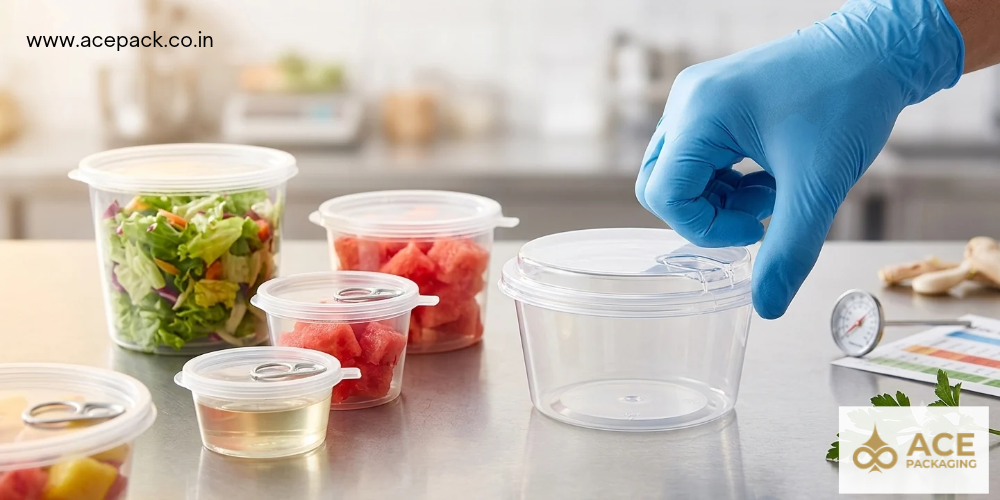
For products sold as portion cups with lids, the lid should fit the cup correctly. A lid that is too loose may come off during handling, while one that is difficult to apply can slow down packing operations.
Buyers should check the cup and lid as a complete packaging combination rather than evaluating them separately. Test the fit by filling the cup with the intended product, closing it and handling it in conditions similar to actual service.
For takeaway applications, also consider how the filled cups will be placed inside delivery bags or meal containers. If the product contains liquid or semi-liquid food, conduct a practical handling test before approving the packaging.
Businesses comparing different formats can also read Portion Cups vs Deli Containers: Which Is Better? to understand when smaller serving cups are more suitable than larger containers.
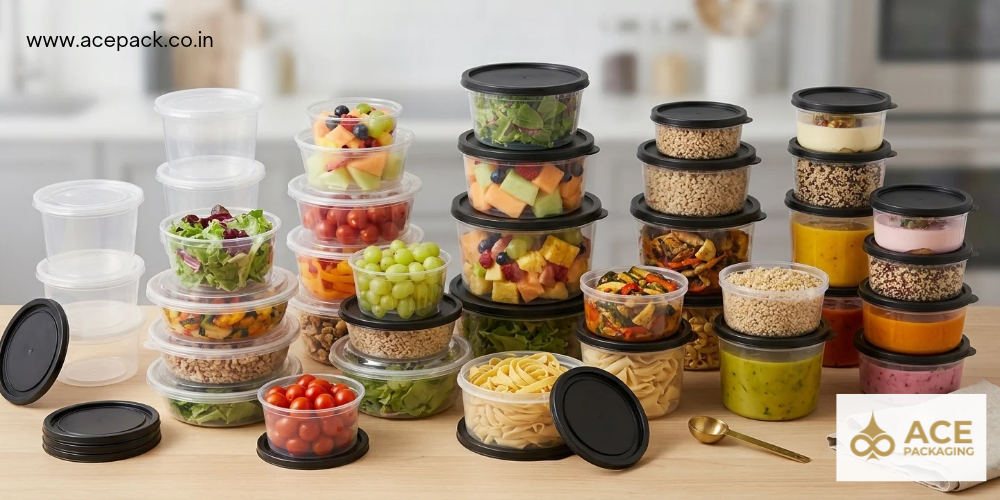
The right cup depends on what the business serves and how customers use the packaged food. Plastic condiment cups are commonly considered for small servings that accompany a main product or meal.
Some applications include:
Plastic sauce cups can be useful when a business wants to keep a condiment separate from the main food item until serving. This can make packing and presentation more organised.
For takeaway orders, buyers should assess the complete packaging setup, including the cup, lid, outer food container and delivery conditions.
A suitable product is only part of the purchasing decision. Businesses also need to understand how the cups are packed, stored and supplied.
For high-volume operations, inconsistent ordering can create avoidable pressure on inventory. A restaurant chain, for example, may need to coordinate packaging requirements across multiple outlets. A distributor may need predictable carton quantities to manage warehouse space and customer orders.
Before placing a bulk order, ask the manufacturer about:
It is also sensible to estimate usage based on actual sales or production volume. This helps businesses plan replenishment without tying up unnecessary storage space.
Comparing suppliers becomes easier when every manufacturer is evaluated against the same requirements. Instead of asking only for a quotation, prepare a short list of product and supply questions.
For example:
A reliable portion cup manufacturer should be able to explain the available options and help buyers understand which specifications need to be confirmed.
For distributors and businesses sourcing from a portion cup manufacturer in India, it is especially useful to discuss order planning, delivery locations and repeat-supply expectations before finalising a supplier.
Choosing a packaging manufacturer is about finding a product range and supply partner that fit your business requirements. Ace Packaging manufactures injection-moulded food packaging products and offers Portion Cups as part of its wider product range.
The company also supplies other food packaging categories, including Hinge Cups, RO-Series Containers, RE Series Containers and additional container options. This broader range can be useful for businesses reviewing different packaging formats for their product lines.
Buyers can explore the Ace Packaging Portion Cups range and the wider plastic food containers collection to understand the available product categories.
If you are evaluating serving portion cups or takeaway portion cups for a commercial requirement, discuss the intended food application, capacity, lid arrangement and order volume with the team before confirming specifications.
Selecting the right portion cups requires more than finding a product at the right price. Capacity, material quality, lid compatibility, food-contact suitability and supply consistency all influence whether the packaging works well in everyday operations.
For businesses looking for plastic portion cups, plastic condiment cups or takeaway portion cups, a clear understanding of product requirements makes supplier evaluation easier.
Explore the Portion Cups range from Ace Packaging and discuss your business requirements before placing a bulk order. To enquire about available specifications, samples and supply options, email the Ace Packaging team.
.webp)