
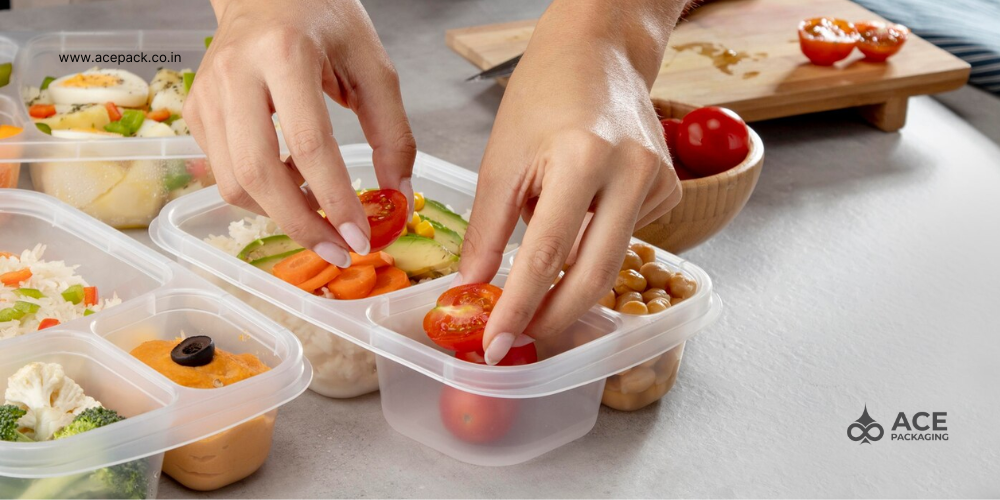
Plastic containers have become a vital part of both home kitchens and commercial food operations. They offer an affordable, lightweight, and durable solution for storing, transporting, and preserving a variety of food products. However, using a plastic container for food requires careful attention to safety standards to ensure the food remains fresh and uncontaminated. Whether you are selecting a plastic food container for personal use or relying on food packaging containers for your business, understanding food safety standards is essential for health, compliance, and long-term efficiency.
The term food grade plastic containers refers to plastic products specifically designed for storing food. These containers comply with strict government regulations regarding the types of materials used and their interaction with food items. The right food container will not release harmful chemicals into food, ensuring both safety and taste are preserved.
When selecting a plastic container for food, look for containers that adhere to recognized safety certifications such as:
Only containers with proper certification should be labeled as food packaging containers. This labeling provides a clear indication of their suitability for food storage.
Not all plastics are created equal. A plastic food container must be made from materials that are safe for direct contact with food. Common food-grade plastics include:
Using the right material prevents chemical migration into food, which can happen if non-food-grade plastics are used.
Food containers must withstand various temperature ranges without degrading or leaching chemicals. This is especially critical when the container is exposed to microwave heating or freezer storage. Look for plastic food containers marked as microwave-safe and freezer-safe.
Incorrect usage, such as microwaving a non-safe plastic food container, can cause melting or release of toxins into food. Always verify manufacturer instructions and labels.
A trustworthy food container comes with proper labeling that provides important usage information. Look for symbols indicating:
These symbols help consumers and businesses select the correct packaging containers and use them safely.
For effective food storage, plastic food containers must have tight-sealing lids. This prevents contamination, preserves freshness, and protects against spillage. Poorly designed lids may allow bacteria or mold to develop, compromising food safety.
Invest in well-designed food packaging containers that emphasize durability and airtight seals. This is particularly important for businesses handling takeaway or food delivery services.
Modern food grade plastic containers are often designed for repeated use. Sustainable practices encourage the use of reusable containers rather than disposable single-use ones. This helps reduce plastic waste while ensuring safety and hygiene.
When selecting a plastic container for food, check if it is BPA-free and explicitly marked as reusable. Over time, worn-out containers with scratches should be discarded as they can harbor bacteria.
Not all plastics are unsafe. The key is to use food grade plastic containers approved by regulatory authorities. Avoid cheap, unmarked containers, as they may contain harmful chemicals.
Many high-quality plastic food containers are designed for both refrigeration and microwave use. Always refer to the product label to verify the recommended temperature range.
Single-use food packaging containers are not inherently safer than reusable plastic food containers. In fact, reusables are often more rigorously tested for durability and safety over time.
Using a plastic container for food safely goes beyond just selecting the right one. Proper handling, cleaning, and storage practices are crucial to maintain hygiene:
For food service businesses, compliance with food safety standards is not optional it is mandatory. Using certified food grade plastic containers helps businesses:
A well-managed system using proper packaging containers reduces waste, enhances efficiency, and ensures products reach customers in optimal condition.
Choosing the right plastic food container goes beyond convenience. Safety must be the top priority. Always opt for certified food grade plastic containers that meet FDA, EFSA, or ISO standards. Ensure the containers you use, whether for home use or business, are appropriately labeled, microwave and freezer-safe, and designed for hygienic reuse.
By following strict food safety standards for plastic containers, you ensure your food remains fresh, safe, and healthy while contributing to sustainable practices. Selecting the right food container protects both your health and the environment while offering long-term storage solutions.
.webp)


