
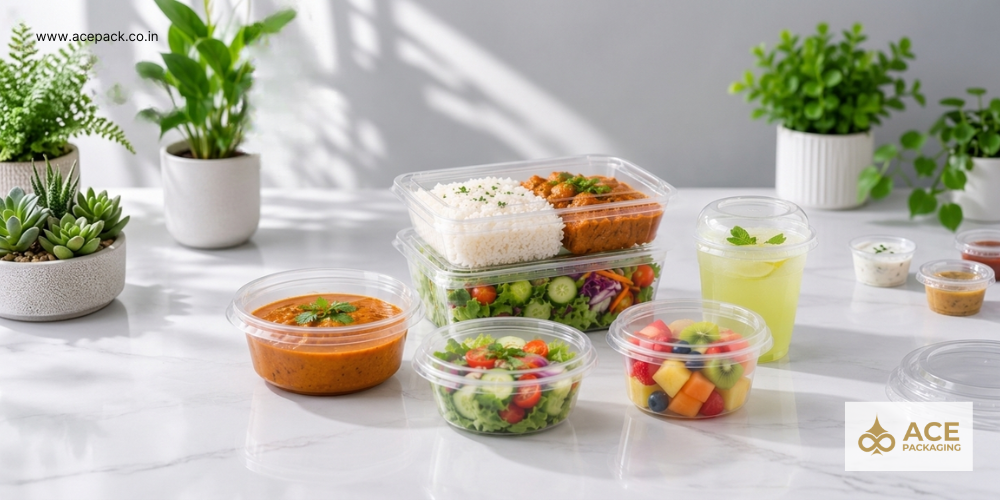
In today's highly competitive food industry, packaging is much more than a container. It is often the first physical interaction customers have with a brand. Whether a business operates a restaurant, cloud kitchen, food manufacturing facility, bakery, or food delivery service, packaging directly influences customer perception, satisfaction, and trust.
Many businesses invest heavily in product quality and marketing but overlook the importance of packaging. Unfortunately, even minor food packaging mistakes can negatively impact customer experience, create operational challenges, and damage brand reputation in the food industry.
From leakage issues and poor presentation to inadequate protection and food safety concerns, packaging errors can quickly lead to negative reviews and lost customers. Understanding these common mistakes and implementing effective food packaging solutions can help businesses protect their brand image and improve customer loyalty.
Food packaging mistakes can damage brand reputation by reducing customer satisfaction, affecting food quality, causing product damage, and creating negative perceptions about the business.
When customers receive products in damaged, leaking, or poorly designed packaging, they may associate these issues with the overall quality of the brand.
Food packaging mistakes refer to packaging decisions, design flaws, material issues, or operational errors that negatively impact product protection, customer experience, and brand perception.
These food packaging errors can occur during:
Identifying and addressing these challenges is essential for maintaining strong customer relationships and protecting brand value.
One of the most common food packaging problems is using low-quality packaging materials.
Businesses often focus on reducing packaging costs without considering performance. Poor-quality food packaging containers may crack, deform, leak, or fail during transportation.
Investing in durable and reliable packaging helps maintain product integrity throughout the supply chain.
Maintaining food packaging quality is essential for protecting products and ensuring customer satisfaction.
Packaging that fails to meet industry requirements can create food safety risks and damage brand credibility.
Businesses should implement strong food packaging quality control processes to minimize these risks.
Effective food packaging design should balance functionality, protection, and visual appeal.
Many brands make the mistake of prioritizing appearance while overlooking practical requirements.
Poor design choices can negatively impact the overall customer experience.
Leakage is one of the fastest ways to damage customer trust.
Food products such as curries, gravies, soups, sauces, and beverages require secure packaging solutions that prevent spills during transportation.
Using leak-proof packaging is a fundamental requirement for food businesses.
Food safety should never be compromised.
Businesses that ignore food packaging standards risk damaging customer confidence and facing regulatory challenges.
Strong food safety practices contribute directly to customer trust and brand reputation.
The growth of online ordering has increased the importance of delivery-friendly packaging.
Packaging that performs well on a shelf may not perform well during transportation.
Businesses offering takeaway and delivery services should prioritize packaging designed specifically for delivery environments.
Consistency is critical for building trust.
Customers expect the same quality experience every time they interact with a brand.
Inconsistent packaging can result in:
Reliable suppliers and strong quality control systems help maintain consistency.
Packaging influences purchasing decisions and customer perceptions.
Even high-quality products can appear less attractive when presented in poor packaging.
Good packaging helps:
Professional packaging contributes significantly to positive customer experiences.
Customers appreciate packaging that is practical and easy to use.
Packaging should provide:
Ignoring customer convenience can reduce satisfaction and negatively affect loyalty.
While controlling expenses is important, selecting packaging solely on price often creates larger problems.
Low-cost solutions may result in:
Businesses should evaluate packaging based on performance, durability, and customer impact rather than price alone.
Following proven food packaging best practices can help businesses avoid common mistakes and strengthen customer relationships.
These strategies help improve packaging performance while protecting brand image.
High-quality food packaging solutions contribute to a better customer experience by:
Satisfied customers are more likely to leave positive reviews, recommend the brand, and place repeat orders.
Modern food businesses face increasing customer expectations and competitive pressures.
Professional food packaging solutions help organizations:
Quality packaging is an investment in long-term business success.
Food packaging has a direct impact on customer perception, product quality, and business reputation. Common food packaging mistakes such as poor material selection, leakage, weak design, and inconsistent quality can damage customer trust and negatively affect brand performance.
By following food packaging best practices, investing in quality materials, and partnering with reliable packaging providers, businesses can improve customer satisfaction, strengthen brand image, and create long-term value.
In a competitive marketplace, packaging is not just about protection it is a critical component of brand success.
.webp)


