
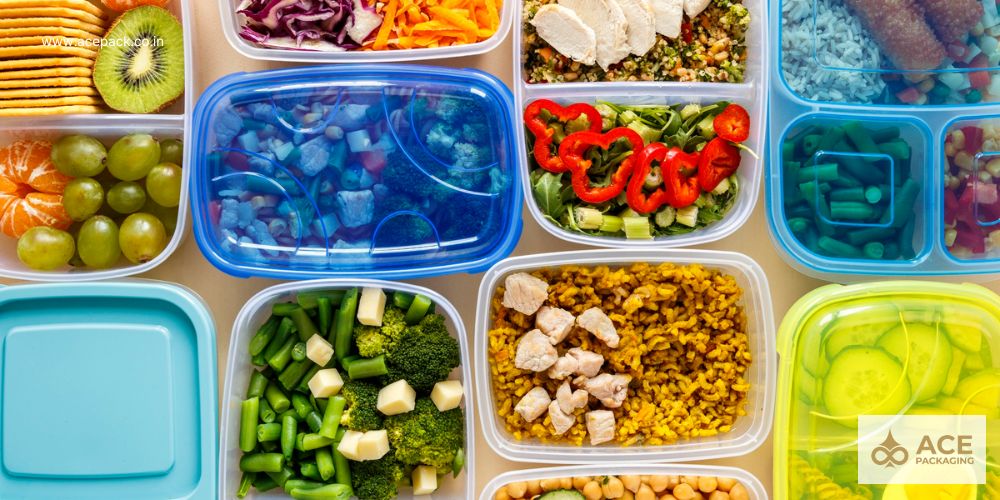
Plastic containers have become a household essential for food storage they’re lightweight, reusable, affordable, and easy to organize. However, not all plastic containers are created equal, and improper use can lead to food spoilage, odor retention, or even health concerns.
Understanding how to store food in plastic containers safely ensures your meals stay fresh longer and your storage system remains hygienic. In this guide, we’ll cover key best practices for choosing, using, and maintaining your plastic containers for optimal food safety and freshness.
Always start by selecting food-grade plastic containers. These are specifically designed to store consumables safely and are typically marked with a fork-and-cup symbol or the label “BPA-free.”
Avoid using containers that lack these labels, as they may contain harmful chemicals that can leach into food — especially when exposed to heat.
Tip: Opt for plastics labeled with recycling codes #1 (PET), #2 (HDPE), #4 (LDPE), or #5 (PP) — these are considered the safest for food storage.
Different foods require different storage conditions. Here’s how to choose the right plastic container based on your storage needs:
Matching the container to the food type helps prevent contamination and keeps textures intact.
Hot food should never go directly into plastic containers. High temperatures can cause the plastic to warp or release chemicals into the food.
Always let food cool to room temperature before sealing it in a container. This not only protects the container but also prevents condensation that can cause bacterial growth.
Airtight lids are essential for preserving freshness and preventing cross-contamination. They keep out air and moisture, which can lead to mold or spoilage.
For maximum protection, ensure the lid fits tightly and check the seal regularly, especially after multiple uses or washes.
Not all plastic food containers are microwave-safe. When exposed to heat, certain plastics can melt or release toxic compounds.
Only use containers labeled as “microwave-safe” when reheating food. If in doubt, transfer your meal to a glass or ceramic dish before microwaving.
When storing leftovers or prepped meals, label each plastic container with the food name and storage date. This practice helps you keep track of freshness and reduces food waste.
A simple piece of masking tape and a marker can go a long way toward maintaining an organized refrigerator or pantry.
To ensure safe reuse, clean your plastic containers thoroughly after each use. Follow these steps:
For lingering odors, soak the container overnight in a mixture of baking soda and warm water.
Even when stored properly, food has a shelf life. Avoid keeping items in plastic containers for extended periods especially those with dairy, meat, or sauces.
Regularly inspect stored food for signs of spoilage, and follow “first in, first out” (FIFO) principles to use older items before newer ones.
Over time, plastic containers may show cracks, discoloration, or warped lids. These signs indicate it’s time for replacement. Damaged containers can harbor bacteria in micro-cracks or lose their sealing ability.
Keeping your collection in good condition ensures long-term hygiene and performance.
If you’re storing food at room temperature, place plastic containers in a cool, dry area away from direct sunlight. Excessive heat can degrade the plastic and reduce its lifespan.
For refrigerator storage, avoid stacking too tightly allow air circulation to maintain consistent cooling.
Storing food in plastic containers is one of the most convenient and sustainable ways to manage leftovers, meal prep, and pantry organization. By following these best practices from choosing food-grade plastics to maintaining cleanliness and proper sealing you can keep your food fresher, safer, and longer-lasting.
A little attention to how you store food today can go a long way in reducing waste, saving money, and ensuring better health tomorrow.
.webp)


