
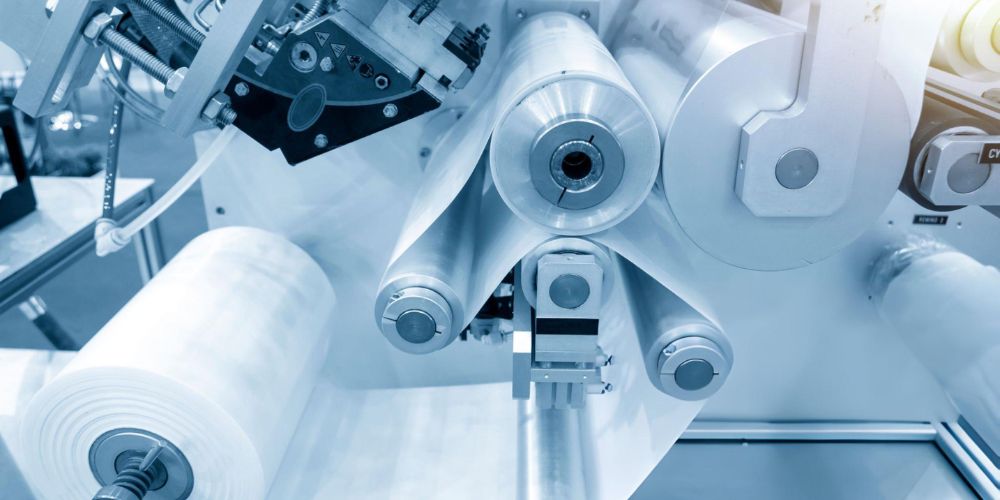
In the plastic packaging industry, quality control (QC) is not just a compliance step—it’s the backbone of manufacturing excellence. For plastic container manufacturers, a robust QC process ensures durability, safety, and customer satisfaction while reducing waste and production costs.
This guide outlines the essential quality control practices that every manufacturer should follow to maintain top-tier standards in plastic container production.
Quality control ensures that every plastic container leaving your facility meets specific design, safety, and performance requirements. Without strong QC, defects like leaks, warping, sink marks, or discoloration can compromise product integrity and brand trust.
Effective QC helps you:
Key takeaway: Quality control is not an expense—it’s an investment in your brand’s reliability and long-term profitability.
Before inspections begin, manufacturers must define a clear quality management system (QMS). This framework combines quality assurance (QA), quality control (QC), and continuous improvement.
Adopting international standards like ISO 9001, Six Sigma, or Statistical Process Control (SPC) strengthens consistency and helps reduce variation across production lines.
Quality control starts long before containers are molded. The quality of resins, colorants, and additives directly affects the final product.
Even minor variations in resin grade can lead to container defects. Consistent testing ensures raw materials meet specifications before entering the production line.
During molding—whether injection, blow, or stretch-blow—quality control focuses on process stability and defect prevention.
Use real-time sensors and SPC charts to detect process drift early. Automated systems and visual inspection tools can identify issues such as flash, warping, or incomplete molding before large-scale defects occur.
Once containers are produced, comprehensive testing ensures they meet mechanical, functional, and visual standards.
For containers used in food, beverage, or pharmaceutical applications, ensure compliance with relevant FDA, EU, or BIS standards regarding safety and material migration.
A strong QC system relies on accurate documentation and traceability.
This level of documentation helps isolate quality issues quickly and ensures accountability throughout the manufacturing process.
While the fundamentals apply across all plastics, containers present unique QC challenges:
Continuous process validation and testing help address these issues proactively.
To build a world-class QC culture in your factory, follow these best practices:
When implemented correctly, quality control leads to measurable benefits:
For plastic container manufacturers, consistent QC practices translate into long-term competitiveness and customer trust.
In today’s demanding packaging market, quality control is the defining factor between a good manufacturer and a great one. By focusing on material inspection, process monitoring, product testing, and continuous improvement, plastic container manufacturers can achieve higher reliability, better performance, and greater sustainability.
.webp)


